Kenya MPs Pass Bill to Criminalise Match-Fixing: What It Means for Football
MPs passed a tougher match-fixing bill than first tabled: fines of up to Sh10 million or three times the gain, five years in jail, and DCI-led probes. Here is what changed and where it stands in the Senate.
By
Scorer254 Editorial Desk
Section
Governance & Integrity
Status
Published article

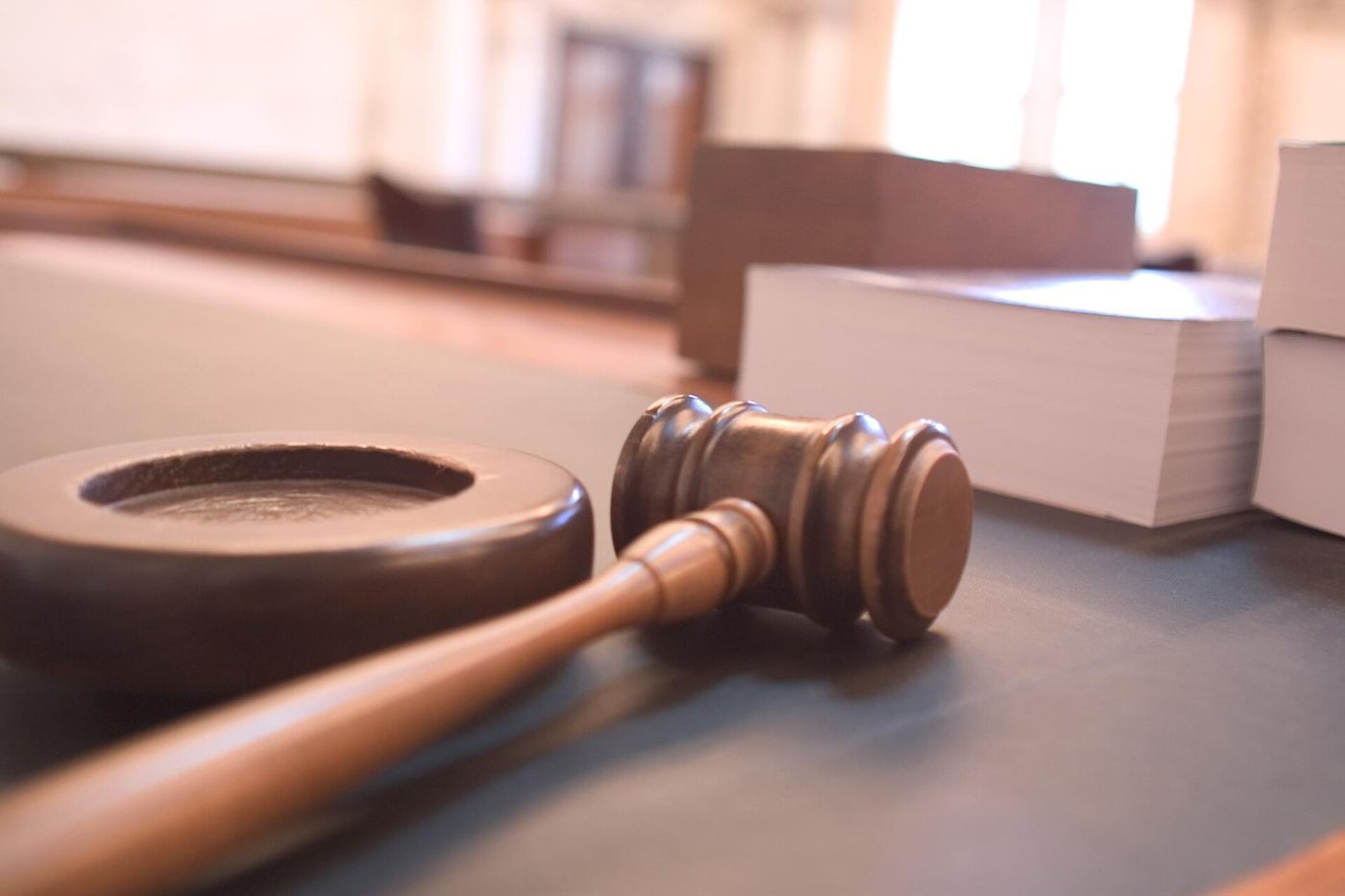
Photo: Jorge Láscar / Wikimedia Commons / CC BY-SA 2.0
Kenya's long-promised legal crackdown on match-fixing took a decisive step on 19 August 2026, when the National Assembly passed the Sports (Amendment) Bill, 2026 at Third Reading. The bill, sponsored by Nominated MP Irene Mayaka, would for the first time create a specific criminal offence of manipulating a sports competition under the Sports Act.
Early reports of the vote, including Parliament's own news release, quoted the penalties in the bill as first published: a fine of up to Sh1 million, a year in prison, or both. The official Votes and Proceedings for that morning show that MPs replaced those figures with much heavier ones during the Committee of the Whole House, and also changed who investigates suspected cases. This article has been updated to reflect the version the House actually approved.
What MPs changed before the final vote
The Committee of the Whole House adopted amendments moved on behalf of the Departmental Committee on Sports and Culture. The most important rewrote the penalty clause. Under a new section 64A, anyone who takes part directly or indirectly in manipulating a competition, or who aids, enables or assists it, commits an offence.
On conviction, a person faces a fine of up to three times the value involved in the manipulation or Sh10 million, whichever is higher, a prison term of up to five years, or both. That is ten times the maximum fine in the original draft and five times its maximum jail term.
MPs also replaced the definition of manipulation. The approved wording describes it as an intentional arrangement, act or omission aimed at improperly altering the result or course of a competition, removing some or all of its unpredictability, in order to gain an undue advantage for oneself or others. The broader wording is meant to capture fixing in all its forms, from bribes and deliberate underperformance to the misuse of inside information for betting.
Criminal penalties sit alongside sporting ones. Federations may issue warnings, fines, suspensions, temporary or permanent bans, deregistration and forfeiture of any proceeds gained. A club or association found responsible can also lose the result of the manipulated match.
How investigations would work
The original draft gave Sports Kenya the lead role in receiving reports and investigating them, with a six-month time limit and appeals to the Sports Disputes Tribunal. The version MPs approved replaced that clause entirely.
Instead, suspected cases run on two independent tracks. The Directorate of Criminal Investigations (DCI) handles the criminal side, while the person's own sports organisation investigates under its constitution and disciplinary rules. Neither process has to wait for the other, and a federation sanction does not stop the DCI from pursuing criminal liability.
Federations gain practical tools. They can require athletes, coaches, referees, administrators, clubs, leagues and intermediaries to hand over information and records, interview people under their jurisdiction, and exchange information with police, regulators and betting regulators, subject to confidentiality and data-protection law. Both investigators must give anyone under investigation a chance to be heard before an adverse finding, unless urgent interim measures are needed to protect a competition.
The betting link is significant. Much modern fixing is driven by betting markets, and unusual betting patterns are often the first warning sign. A formal channel between federations such as FKF and betting regulators means that kind of intelligence can reach investigators instead of staying with operators.
Why Kenyan football pushed for a law
The bill was presented for First Reading on 11 March 2026 amid open debate about fixing in the domestic game. Former Tusker coach Charles Okere had claimed on local radio that matches were being fixed, and other coaches including Sofapaka's Juma Abdallah, Mathare United's John Kamau and Kenya Police's Nicholas Muyoti echoed those concerns, Capital FM reported.
There have been concrete cases too. In 2025 a Harambee Stars goalkeeper was implicated after a leaked video appeared to show him negotiating to influence a match. FIFA has also ordered Muhoroni Youth relegated from the National Super League to FKF Division One after its disciplinary committee found the club guilty of activities linked to match manipulation.
A government taskforce led by JB Ohaga separately recommended criminalising match-fixing, together with age cheating, in a draft report presented to Sports Cabinet Secretary Salim Mvurya earlier in 2026.
Until now, the response has relied mostly on sporting sanctions. A suspension can remove a player or official from the game, but it does little against betting syndicates and middlemen who sit outside football's jurisdiction. A clear criminal offence gives the DCI and prosecutors a firmer basis to pursue them.
How the new penalties compare
The existing penalty provision in the Sports Act carries a fine of up to Sh500,000, up to three years in prison, or both. The bill as first published would have doubled the fine but cut the maximum jail term to one year, an odd result for a law meant to be tougher.
The approved version removes that problem. Tying the maximum fine to three times the value involved, with Sh10 million as the minimum ceiling, means a fixer who profits heavily from a betting coup can be fined more than they made. A five-year prison term moves fixing closer to how other serious economic crimes are treated.
The tougher figures were welcomed in the game. Nairobi City Stars CEO Patrick Korir told Citizen Digital that punishment needed to be as strict as possible to remove the problem, and said his club had been approached several times by people trying to influence matches but had refused.
Update: where the bill stands now
After the National Assembly vote, the bill went to the Senate. It was read a First Time there in September 2026 and referred to the Standing Committee on Labour and Social Welfare, which invited written memoranda and held a public hearing at Parliament Buildings on 29 September. Betting and gaming regulators, Sports Kenya, sports federations, athletes and clubs were among the stakeholders listed to give views.
As of late November 2026, Scorer254 has not found any report of a Senate vote on the bill. If senators amend it, the two Houses must agree on a final text, through mediation if necessary. The offence would take effect only after presidential assent and publication in the Kenya Gazette.
What it could mean for clubs, players and referees
If the bill becomes law, the clearest change is the level of risk. A player or referee approached by a fixer would know that accepting could mean prison, not just a ban. That also strengthens the hand of anyone who wants to say no.
The law will not fix the conditions that make players and officials vulnerable. Complaints about late or unpaid wages are common in Kenyan football, and lower-tier matches receive little scrutiny or broadcast coverage. Federations will need integrity officers, confidential reporting channels and regular education for players and referees to make good use of their new investigative powers.
Frequently Asked Questions
Is match-fixing now a crime in Kenya?
The new offence of manipulating a sports competition is not yet law. The bill has passed the National Assembly and is before the Senate. It takes effect only after both Houses agree on a text, the President assents and it is gazetted.
What is the penalty for match-fixing under the bill?
As passed by the National Assembly, a convicted person faces a fine of up to three times the value involved or Sh10 million, whichever is higher, up to five years in prison, or both. Sports bodies can add bans, suspensions, fines and forfeiture of proceeds.
Who will investigate match-fixing cases?
The DCI investigates the criminal side, while the relevant sports organisation, such as FKF for football, runs its own disciplinary investigation. The two processes are independent, and federations can share information with betting regulators and police.
Can clubs be punished as well as individuals?
Yes. Where a club or association is responsible for manipulation, it can be sanctioned with forfeiture of the result of the affected match, in addition to any action against the individuals involved.
Kenyan football has waited years for a law that treats fixing as a crime rather than only a disciplinary matter. MPs have approved a much tougher bill than the one first tabled; its impact now depends on the Senate and on how seriously the DCI and federations use their new powers. Scorer254 will update this story when the Senate votes.
Related Stories